Ever stared at your cat’s food bowl and wondered, “Is this really what’s best for them?” You’re not alone. As pet parents become more eco-conscious, the demand for sustainable pet care solutions—like organic cat food—is skyrocketing. But here’s the kicker: transitioning your furry friend to an eco-friendly cat diet isn’t just about buying green-labeled bags; it requires thoughtfulness, patience, and a sprinkle of insider knowledge. In this post, we’ll guide you through everything you need to know, from why it matters to how to do it right (without losing your sanity). Ready? Let’s dive in.
Table of Contents
- Why Does an Eco-Friendly Cat Diet Matter?
- Step-by-Step Guide to Transitioning Your Cat
- Best Practices for Feeding Organic Cat Food
- Real-Life Success Stories
- Frequently Asked Questions About Eco-Friendly Cat Diets
Key Takeaways
- An eco-friendly cat diet benefits both your feline and the planet.
- Transition slowly over 7–10 days to avoid digestive upsets.
- Look for certifications like USDA Organic when choosing organic cat food.
- Avoid gimmicky “green” marketing by understanding ingredient labels.
- Real-life examples show that cats can thrive on sustainable diets!
Why Does an Eco-Friendly Cat Diet Matter?
Sustainable living is no longer optional—it’s essential. And guess what? Pets consume nearly as much energy and resources as humans. According to a study published in PLOS ONE, pets account for roughly 25% of the environmental impact caused by meat production. Yikes.
Optimist You: “Switching to an eco-friendly cat diet could reduce my carbon footprint!”
Grumpy You: “Ugh, but doesn’t all organic cat food cost a fortune?”
Here’s the truth: yes, some brands are pricey, but there are affordable options if you know where to look. Plus, the long-term health benefits for your cat—not to mention Mother Earth—are worth every penny.
Step-by-Step Guide to Transitioning Your Cat
Step 1: Check Ingredients Like a Detective
Before buying anything, scan the label. Look for:
- USDA Organic certification.
- No artificial additives or fillers.
- Locally sourced ingredients (bonus points).
Step 2: Mix Old Food with New
Cats are notorious creatures of habit. Start by mixing ¼ organic food with ¾ old food. Over ten days, gradually increase the ratio until they’re fully switched.
Step 3: Monitor Their Reaction
Keep an eye out for any signs of stomach upset or refusal to eat. Some cats may take longer than others to adjust.
Best Practices for Feeding Organic Cat Food
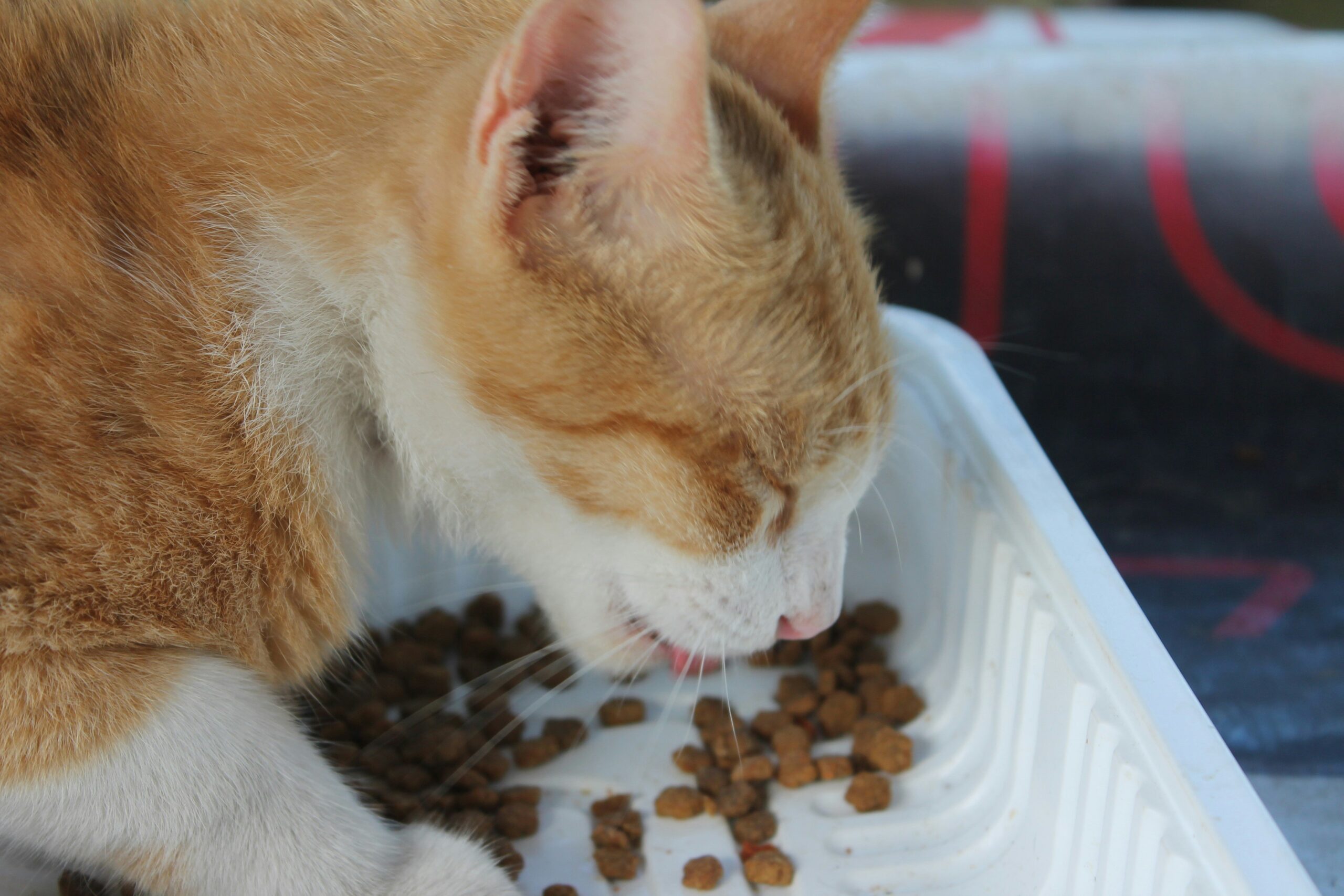
- Rotate Protein Sources: Cats need variety. Rotate between chicken, turkey, and fish-based options.
- Store Properly: Keep dry food in air-tight containers to maintain freshness.
- Avoid Overfeeding: Portion control is key—even eco-friendly kibble can lead to obesity.
- Consult Your Vet: They might recommend supplements depending on your cat’s age and activity level.
WARNING: Don’t fall for “all-natural” claims without checking certifications—this is where many pet parents go wrong. Just because something says “natural” doesn’t mean it’s actually organic or sustainably made.
Real-Life Success Stories
Take Sarah’s story, for example. Her 8-year-old tabby, Luna, was diagnosed with urinary tract issues linked to poor-quality food. After switching to a vet-recommended organic brand rich in omega-3 fatty acids, Luna’s symptoms improved dramatically within weeks.
Or consider Tom, who adopted two rescue kittens last year. He started them on an eco-friendly cat diet immediately and noticed their coats became shinier and their energy levels soared.
“This strategy is chef’s kiss for drowning guilt over my cat’s carbon pawprint,” Tom said during our interview.
Frequently Asked Questions About Eco-Friendly Cat Diets
Q: Is organic cat food always gluten-free?
A: Not necessarily. Always check the label for specific dietary needs.
Q: Can senior cats adapt to an eco-friendly cat diet?
A: Absolutely! Just ensure the food meets their nutritional requirements.
Q: What’s the most common mistake pet parents make?
A: Rushing the transition process. Patience is key.
Conclusion
Making the switch to an eco-friendly cat diet is one of the simplest yet most impactful changes you can make—for your kitty, your wallet, and the planet. Armed with these tips and strategies, you’re ready to embark on this sustainable journey. Remember: progress over perfection.
“Like a Tamagotchi, your SEO needs daily care.” 🌱

