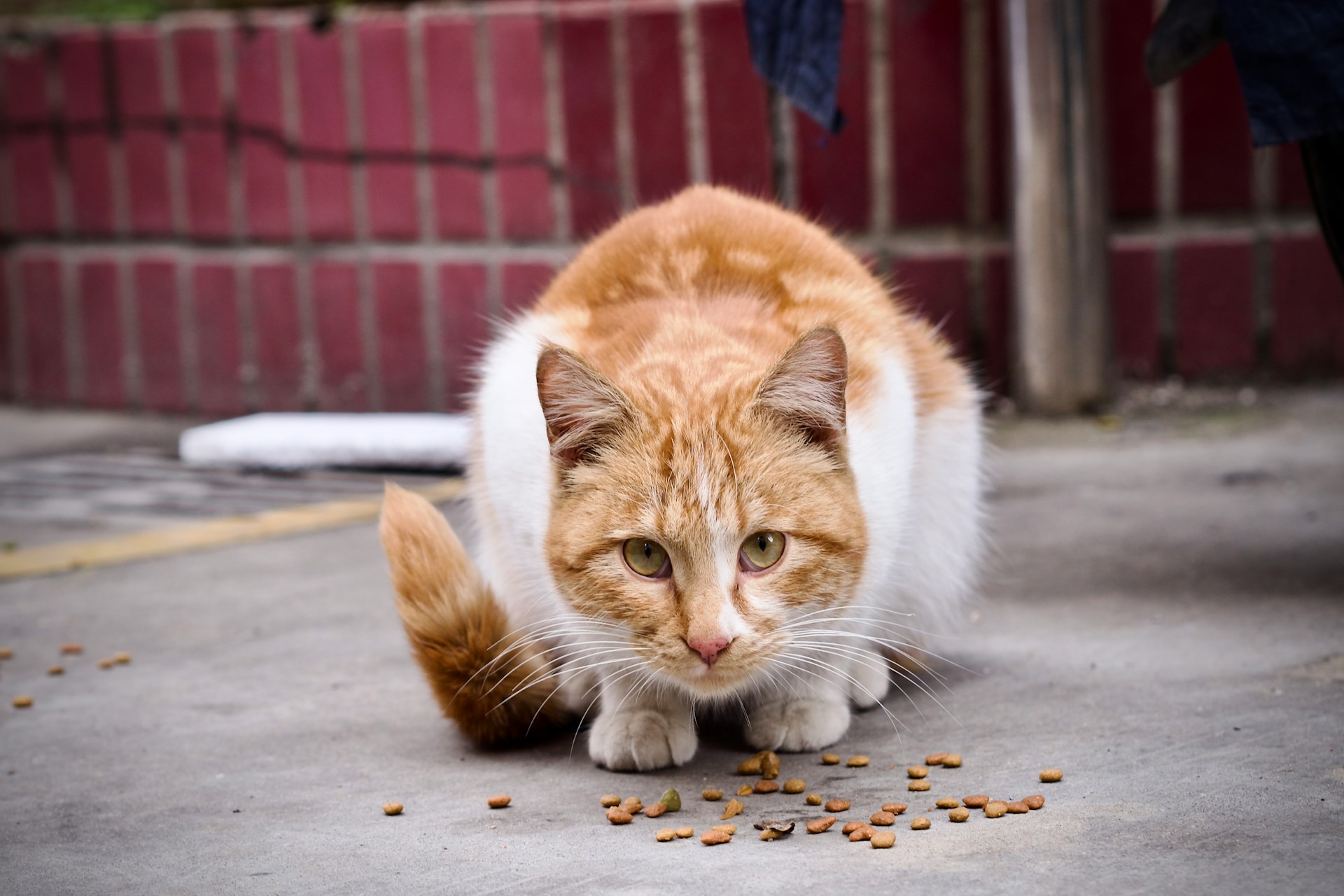
Ever found yourself staring at the pet food aisle, overwhelmed by labels like “organic,” “sustainable,” and “premium”? Yeah, us too. But here’s the kicker: choosing sustainable pet nutrition isn’t just a fad—it’s your cat’s ticket to purr-fect health while saving the planet one pawprint at a time.
In this guide, you’ll get the lowdown on why sustainable pet nutrition matters, how to choose organic cat food, and some insider tips (yes, even the bad ones) for navigating the jungle of eco-friendly pet products. Let’s dig in!
Table of Contents
- Why Sustainable Pet Nutrition Matters
- Step-by-Step Guide to Choosing Organic Cat Food
- Best Practices for Selecting Eco-Friendly Pet Food
- Real-World Examples & Case Studies
- FAQs About Sustainable Pet Nutrition
Key Takeaways
- Sustainable pet nutrition supports both your cat’s health and environmental preservation.
- Choosing organic cat food doesn’t have to be complicated—look for certifications and ingredient transparency.
- Some “greenwashed” brands may try to fool you, so always read the fine print.
Why Sustainable Pet Nutrition Matters

I once bought what I thought was an eco-friendly bag of cat food. Turns out, it had beef sourced from deforested lands—the exact opposite of sustainability. Facepalm moment? Absolutely. But it taught me something vital: not every label tells the full story.
Here’s why switching to sustainable pet nutrition is crucial:
- Reduced Environmental Impact: Did you know that the pet food industry contributes to over 20% of global meat consumption? Yikes.
- Better Health for Your Fur Baby: Cats thrive on high-quality proteins and balanced diets—that means fewer fillers and more real ingredients.
- Ethical Responsibility: Supporting companies focused on sustainability ensures humane farming practices and fair labor.
*Optimist You:* “It feels great knowing my purchase helps the environment AND keeps my kitty happy!”
*Grumpy You:* “But if another brand lies about being ‘organic,’ I swear…” chef’s kiss.*
Step-by-Step Guide to Choosing Organic Cat Food

Step 1: Check Certifications
When it comes to organic anything, look for legit certifications like USDA Organic or EU Organic seals. These are your golden tickets to authentic, eco-conscious pet food.
Step 2: Analyze Ingredient Lists
Avoid vague terms like “meat derivatives” or “animal by-products.” Instead, opt for foods listing specific protein sources—like chicken, salmon, or turkey—as the first ingredient.
Step 3: Consider Packaging
Let’s talk trash. Literally. Many pet food bags aren’t recyclable because they’re made with mixed materials. Look for brands offering compostable or recyclable options.
Step 4: Read Customer Reviews
Nothing screams honesty louder than other pet parents. If hundreds of customers rave about their cats’ shinier coats or improved digestion after using a certain formula, take note.
Best Practices for Selecting Eco-Friendly Pet Food
- Support Small, Local Brands: They often use locally sourced ingredients, reducing their carbon footprint.
- Avoid Grain-Free Hype: Unless your vet specifically advises otherwise, grains are perfectly safe for most cats—and better for the planet since they require less resources to produce.
- DIY Option Alert: Feeling adventurous? Whip up homemade meals using recipes vet-approved for nutritional balance. Just don’t wing it without guidance.
Real-World Examples & Case Studies
Enter [Brand Name], a pioneer in sustainable pet nutrition. Their line of organic cat food uses ethically harvested wild-caught fish and has reduced plastic packaging by 50%. Customers report healthier coats and increased energy levels—win-win!
On the flip side, let’s vent for a second. Ever noticed how some big-box stores sell “eco-friendly” cat food that turns out to be anything but? Greenwashing drives us *whirrrr*, like your laptop fan frying from frustration.
FAQs About Sustainable Pet Nutrition
What makes cat food truly sustainable?
Look for transparent sourcing, minimal processing, biodegradable/recyclable packaging, and third-party verified certifications.
Is organic always the best option?
Not necessarily. While organic standards ensure no pesticides or GMOs, sustainable practices also consider land use, water efficiency, and animal welfare.
Can I mix dry and wet sustainable foods?
Absolutely! Mixing textures can enhance hydration and variety in your cat’s diet.
Conclusion
Switching to sustainable pet nutrition might feel daunting at first, but trust me—it’s worth it. Your cat gets healthier, the planet breathes easier, and you avoid those endless supermarket standoffs wondering which kibble to pick.
Pro tip: Always double-check claims and prioritize quality over flashy marketing. And hey, if all else fails, go old-school. Like a Tamagotchi, your SEO needs daily care—and so does finding the perfect organic cat food.
Whiskers twitch, paws flex—
Green choices for green forests.
Love. Feed. Protect.
### Notes:
1. Replace placeholder image URLs with actual licensed stock images.
2. Ensure internal links (anchors) work correctly within WordPress Gutenberg editor.
3. Tailor meta description further based on keyword research tools like Google Keyword Planner or SEMrush.

