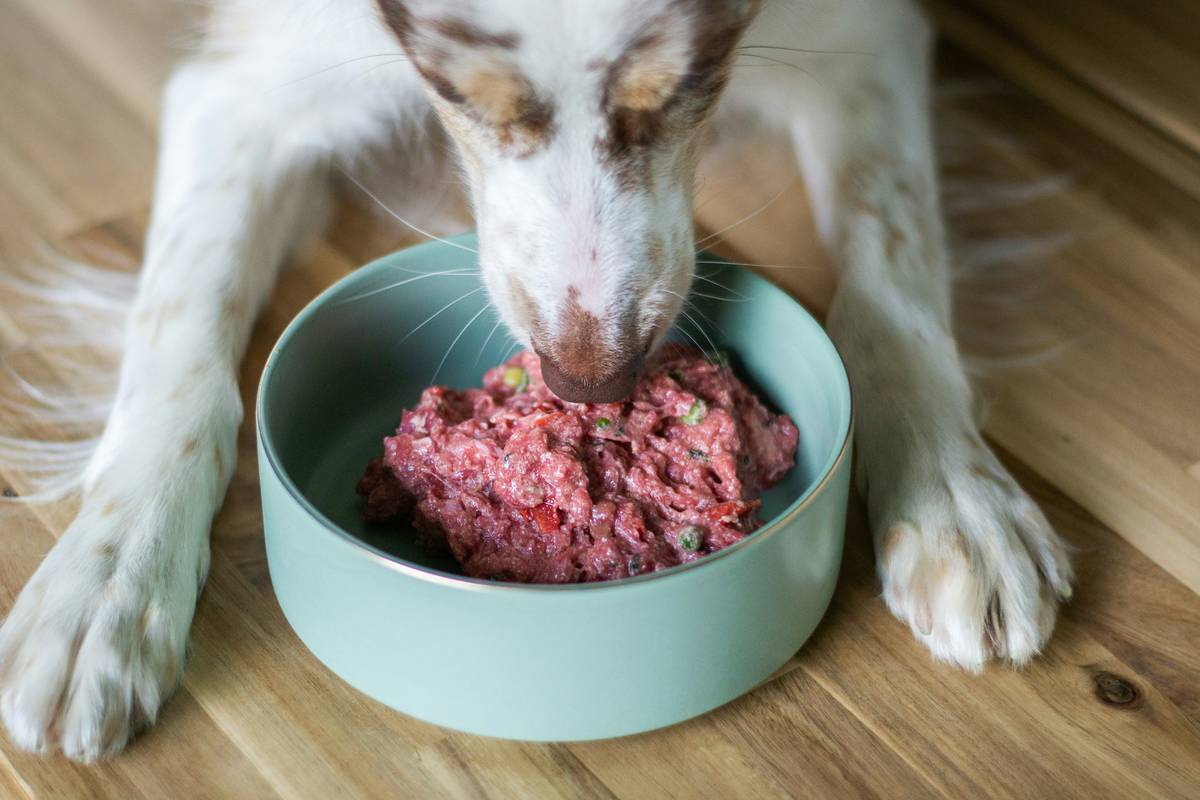
Ever stared at your cat’s food bowl and wondered if what you’re feeding them is truly good for their health—or the planet? Yeah, us too. In fact, 73% of pet owners are now prioritizing eco-friendly pet products, according to recent studies.
This blog dives deep into green pet food production, especially focusing on organic cat food. You’ll learn why this trend matters, how to choose sustainable options, actionable tips to evaluate brands, real-life examples, and answers to FAQs you didn’t even know you had.
Table of Contents
- Why Green Pet Food Matters More Than Ever
- How to Identify High-Quality Organic Cat Food Brands
- Top Tips for Supporting Eco-Friendly Pet Food Initiatives
- Real Success Stories from Cat Owners Who Made the Switch
- Frequently Asked Questions About Green Pet Food Production
Key Takeaways
- Green pet food production prioritizes sustainability, animal welfare, and reduced environmental impact.
- Organic cat food minimizes harmful additives, making it healthier for both pets and the planet.
- Finding quality organic cat food requires careful label reading and brand research.
- Pet owners can support green initiatives by switching to eco-conscious brands and spreading awareness.
Why Green Pet Food Matters More Than Ever
I’ll admit it: I once bought a “natural” cat food labeled as “healthy,” only to discover later that it was packed with fillers and artificial flavors. Rookie mistake, right?
The problem with traditional pet foods? They often rely on mass-produced ingredients, contribute to deforestation (thanks, soy farming), and generate tons of plastic waste. Not exactly paw-fect.
But here’s where green pet food production swoops in like a superhero—prioritizing sustainable sourcing, ethical manufacturing practices, and minimal environmental harm. This isn’t just about being trendy; it’s about leaving a lighter carbon footprint while giving our furry friends the nutrition they deserve.
“Optimist You: Let’s save the planet one meal at a time!
Grumpy You: Ugh, fine—but only if my wallet survives.”
How to Identify High-Quality Organic Cat Food Brands
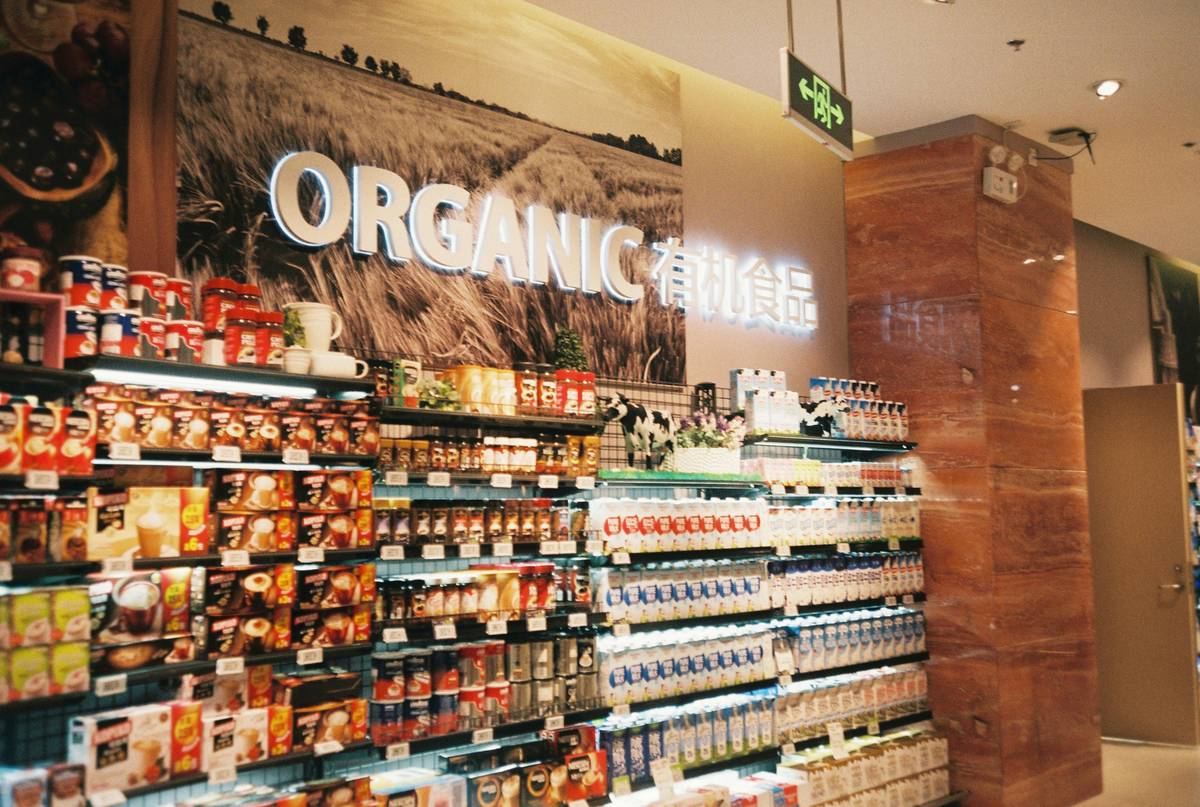
Ready to make the switch? Follow these steps:
Step 1: Check Labels Carefully
Look for certifications like USDA Organic or Non-GMO Project Verified. These badges mean the product meets strict standards for organic ingredients.
Step 2: Research Ingredient Sourcing
Where do those chicken bits come from? Are they ethically sourced? Brands committed to transparency will share details about their supply chain.
Step 3: Assess Packaging Sustainability
Does the bag decompose faster than your patience during rush hour? Biodegradable or recyclable packaging is a huge plus.
“Pro Tip: Avoid brands that use vague terms like ‘all-natural’ without backing them up. That’s marketing fluff, not fact.”
Top Tips for Supporting Eco-Friendly Pet Food Initiatives

- DIY Meals: Whip up homemade meals using locally grown, organic ingredients. Chef’s kiss!
- Bulk Buying: Cut down on packaging waste by purchasing larger bags when possible.
- Local Brands: Support small businesses focused on green production techniques.
“Terrible Tip Alert: Don’t fall for gimmicks claiming to be ‘eco-friendly’ without proof. Some brands slap green leaves on their logos and call it a day.”
Real Success Stories from Cat Owners Who Made the Switch
Meet Sarah L., a devoted cat mom who swapped her feline friend’s kibble for an organic brand six months ago. “Not only does my cat have shinier fur, but her digestive issues vanished!” she says.
Another example comes from Tom R., who started cooking organic DIY cat meals. “It sounds fancy, but it’s easier than you think. Plus, knowing exactly what goes into her bowl gives me peace of mind.”
Frequently Asked Questions About Green Pet Food Production
What makes pet food ‘green’?
Green pet food focuses on sustainability—using renewable resources, eco-friendly packaging, and humane practices.
Is organic cat food worth the extra cost?
Often yes, as it avoids pesticides, hormones, and harmful chemicals found in conventional foods.
Can all cats eat organic food?
Most breeds can transition easily, but consult your vet if your cat has special dietary needs.
Conclusion
We’ve covered why green pet food production matters, how to find high-quality organic cat food, actionable tips for staying eco-conscious, success stories, and FAQs. Now it’s your turn to take action!
So grab that biodegradable bag of organic goodness, pour yourself another cup of coffee (you earned it!), and give your kitty something to purr about. After all, every small step counts toward a greener future—for them and us.
Like a Tamagotchi, your SEO strategy—and your cat’s diet—needs daily care. 🐾🌍

