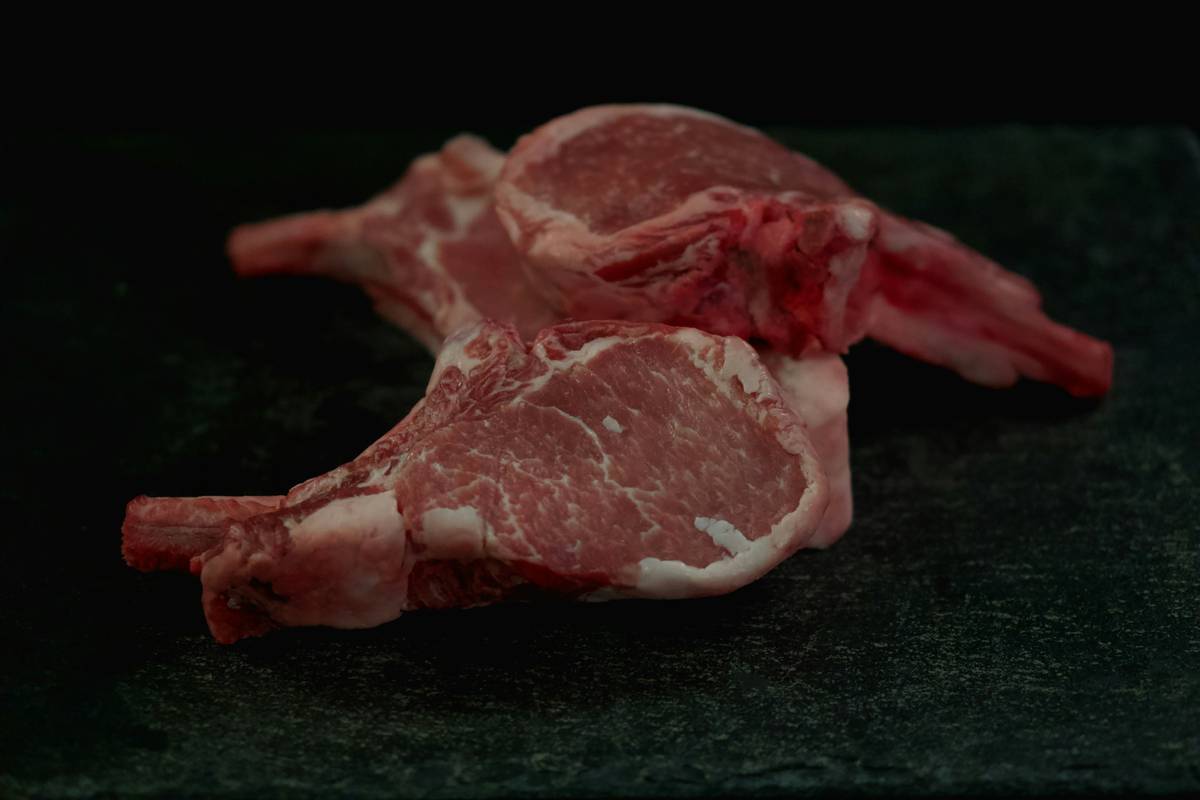
Ever caught yourself staring at your cat’s bowl, wondering if they’re truly getting the nutrients they need? You’re not alone. As pet parents, we often overlook the importance of specialized diets—until our furry friends start showing signs of discomfort or lackluster health. What if switching to an organic meat cat diet could be the secret to unlocking purrs of joy and optimal wellness?
In this ultimate guide, I’ll walk you through why organic meat matters, how to transition your cat seamlessly, share lesser-known tips, and rant about why generic cat food just doesn’t cut it anymore. Let’s dive in!
Table of Contents
- Why Organic Meat is a Game Changer for Cats
- Step-by-Step Guide to Transitioning Your Cat to an Organic Meat Diet
- Top Tips for Feeding Your Cat Organic Meat Safely
- Real-Life Success Stories: Cats Who Thrived on Organic Diets
- Frequently Asked Questions About the Organic Meat Cat Diet
Key Takeaways
- An organic meat cat diet provides essential nutrients without harmful additives.
- Transitioning slowly prevents digestive upset.
- High-quality proteins from organic sources boost energy, coat health, and immune function.
- Avoid foods labeled “natural” but lacking certifications.
Why Organic Meat is a Game Changer for Cats
Let me confess something embarrassing—I once fed my cat grocery store mystery meat packets because they were cheap. Big mistake. Within weeks, his shiny coat turned dull, he developed allergies, and those adorable zoomies? Gone. Turns out, cheap fillers, artificial preservatives, and low-grade ingredients wreak havoc over time.
Here’s where organic meat steps in as the hero of the story:
- No synthetic pesticides or GMOs.
- No antibiotics or hormones that disrupt hormonal balance.
- Premium-quality proteins tailored to carnivorous needs.
Optimist You:
“Switching to organic meat will solve all problems!”
Grumpy You:
“Yeah, yeah… unless you mess up the transition process.”
Step-by-Step Guide to Transitioning Your Cat to an Organic Meat Diet
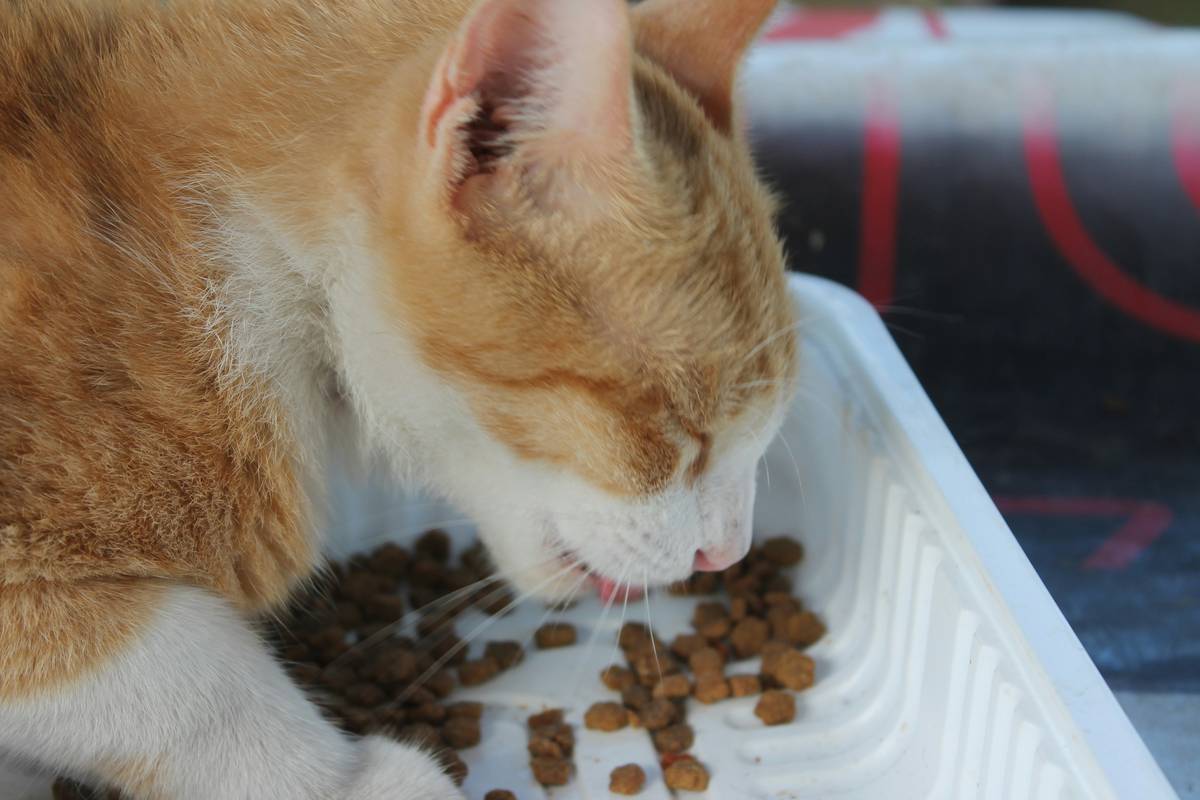
Switching your cat’s diet isn’t as simple as dumping new kibble into their bowl. A gradual approach ensures smooth digestion and prevents picky eating behavior.
Step 1: Mix Old with New
Start by blending 75% old food with 25% organic meat-based food. Gradually increase the ratio every 3–4 days until fully switched.
Step 2: Monitor Reactions
Watch for changes in stool consistency, appetite levels, or unusual behaviors like vomiting. These can indicate intolerance.
Step 3: Celebrate Small Wins
Did your cat finish their meal? Treat them to a fun toy or belly rub (if tolerated). Positive reinforcement works wonders!

Top Tips for Feeding Your Cat Organic Meat Safely
While organic meat sounds amazing, there are some caveats:
- Don’t DIY Unless You Know What You’re Doing: Homemade organic meals might sound wholesome, but improper ratios of nutrients can harm your cat. Consult a vet first.
- Choose Certified Brands: Look for USDA Organic seals to avoid scams masquerading as healthy options.
- Avoid “Terrible Tip” Alert: Don’t trust brands claiming “organic-inspired” formulas without proof. They’re usually loaded with junk.
Rant Section: Why I Hate Generic Labels
Let’s talk about labeling BS for a second. “All-natural,” “premium,” and “grain-free”—none of these mean jack squat without third-party verification. Companies slap buzzwords onto bags knowing uninformed pet parents will fall for them. If only marketers would stop playing games with our pets’ lives…
Real-Life Success Stories: Cats Who Thrived on Organic Diets
Case Study #1: Luna’s Transformation
Luna was lethargic and overweight despite being fed “top-tier” commercial food. Her owner switched her to an organic chicken-based wet food. In six months, she lost excess weight, regained muscle tone, and became playful again.
Case Study #2: Max’s Coat Glowed
Max suffered from constant skin irritation and patchy fur. After transitioning to organic lamb formula, his itching subsided, and his coat looked salon-perfect within three months.
Frequently Asked Questions About the Organic Meat Cat Diet
Is an organic meat cat diet more expensive?
Yes, initially. But considering reduced vet bills and improved longevity, it’s worth every penny.
Can senior cats benefit from organic meat?
Absolutely! Senior cats thrive on nutrient-dense diets free from inflammatory triggers.
How do I know which brand is trustworthy?
Prioritize brands with clear ingredient lists, USDA certification, and transparency about sourcing practices.
Conclusion
Your cat deserves nothing less than premium nutrition derived from nature itself. An organic meat cat diet may require effort upfront, but the payoff—a happier, healthier feline companion—is priceless. Whether you’re inspired by real-life success stories or motivated by cleaner ingredients, remember: small steps lead to big results.
So go ahead, give your whiskered friend the gift of purity. And if anyone asks why you splurge on fancy cat grub? Just quote me: “Because love tastes better when it’s organic.”
PS: Like a Furby, your cat’s happiness depends on daily care. Feed wisely. 🐱✨

