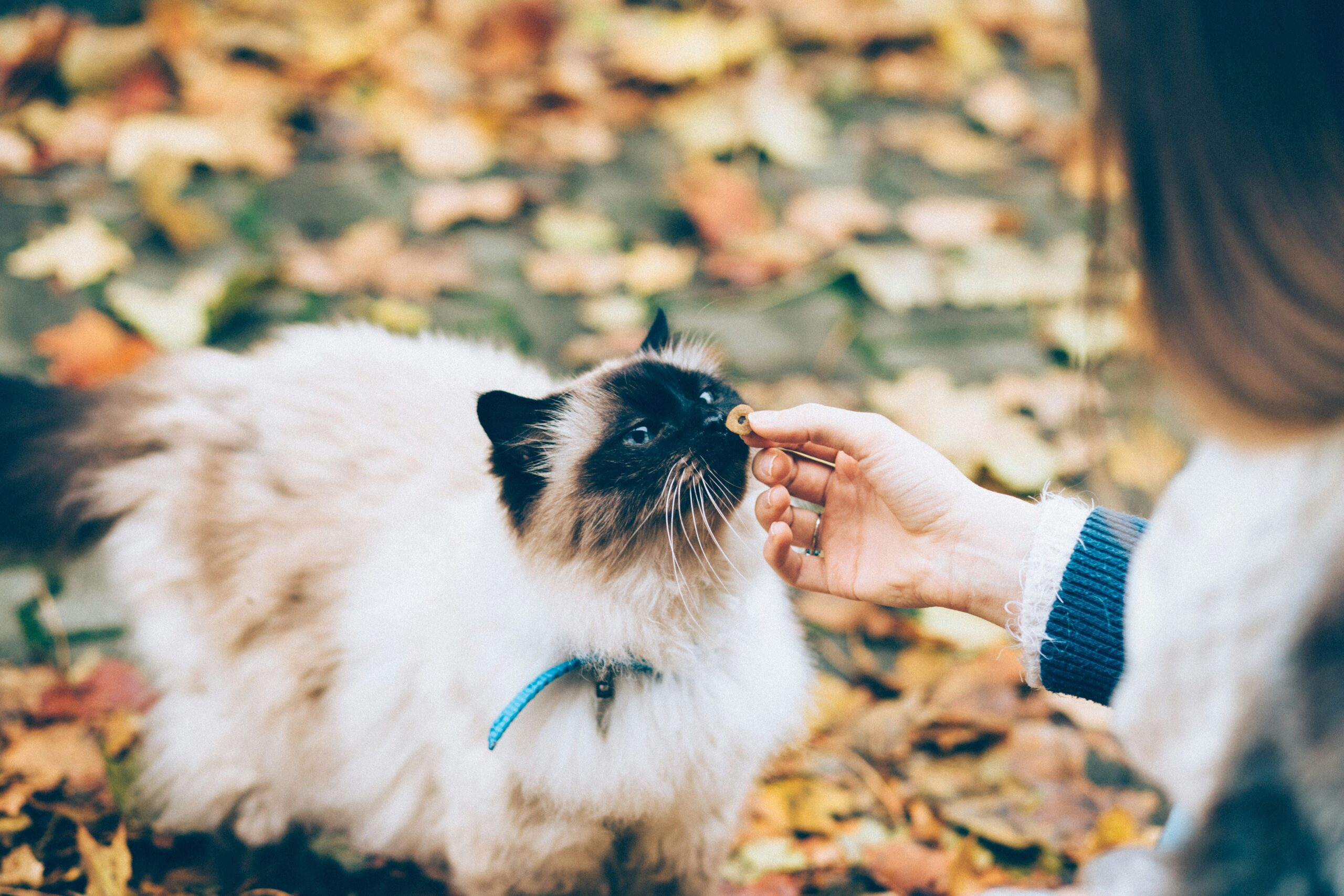
“Ever stared at the ingredients list on your cat’s food and felt like you were reading a chemistry textbook? Yeah, we’ve been there too.”
If you’re nodding along, you’re not alone. Many pet parents are ditching mass-produced kibble for organic cat food that prioritizes their feline friends’ health with chemical-free formulas. In this post, we’ll explore why this shift is more than just a trend—and how your cat can thrive on natural nutrition. You’ll learn about the benefits of organic options, how to choose the best brand, tips for transitioning safely, and even a real-world case study that might inspire your next shopping trip.
Table of Contents
- Why Does Chemical-Free Cat Food Matter?
- How to Choose the Best Organic Cat Food
- Tips for Transitioning Without Tummy Troubles
- Real-World Wins: Success Stories from Pet Parents
- Frequently Asked Questions About Organic Cat Nutrition
Key Takeaways
- Chemical-free cat food eliminates harmful additives, supporting long-term health.
- Organic diets often use sustainably sourced ingredients, reducing environmental impact.
- A proper transition plan prevents digestive upsets when switching your cat’s diet.
- Pet parent testimonials highlight visible improvements in energy and coat condition.
Why Does Chemical-Free Cat Food Matter?
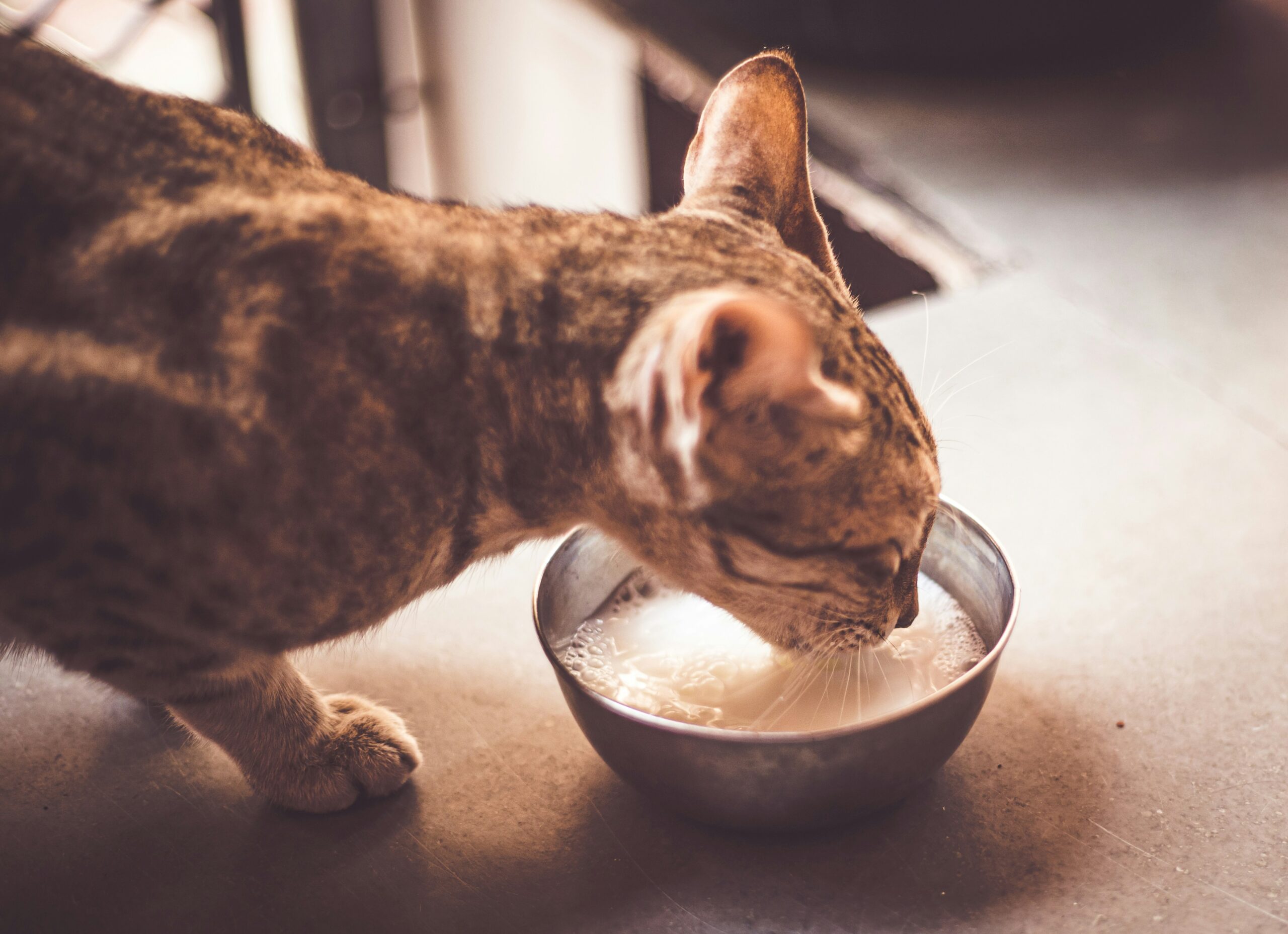
Organic cat foods avoid synthetic preservatives and artificial flavors.
I once made the rookie mistake of buying what looked like premium cat food—only to discover it contained BHT, an additive linked to kidney issues in cats. Whoops. That costly blunder taught me to scrutinize labels closely. Spoiler alert: The cheaper stuff isn’t always worth it. Here’s why:
“Your cat spends most of its life grooming itself. Do you really want questionable chemicals coating their fur?”
The lack of transparency in commercial cat food labeling frustrates many pet owners. Enter chemical-free formulas: They prioritize wholesome ingredients, steering clear of artificial preservatives like ethoxyquin or fillers like corn gluten meal.
Rant Alert: Why We Hate Misleading Labels
FYI, “natural flavor” doesn’t mean jack squat unless backed by transparency. It could be anything remotely edible under lab conditions. Ugh. But don’t lose hope. Certifications such as USDA Organic ensure rigorous standards, so you know exactly what’s inside.
How to Choose the Best Organic Cat Food
Look for certifications like USDA Organic to verify claims.
Alright, let’s get practical. How do you pick the purr-fect option amidst all the marketing fluff? These steps will guide you:
- Check Certifications: Look for official badges like USDA Organic or Non-GMO Project Verified.
- Scan Ingredients Lists: Prioritize whole proteins (like chicken or salmon) over mystery meats (ahem, “meat by-products”).
- Evaluate Nutritional Balance: Cats need taurine, omega fatty acids, and other nutrients found naturally in meat.
- Consider Your Budget: Yes, organic costs more—but think of it as an investment in your cat’s future vet bills!
Optimist You: “This sounds straightforward!”
Grumpy You: “Yeah, but remember that one time I accidentally bought ‘grain-free’ instead of ‘organic’? Total fail.”
Tips for Transitioning Without Tummy Troubles
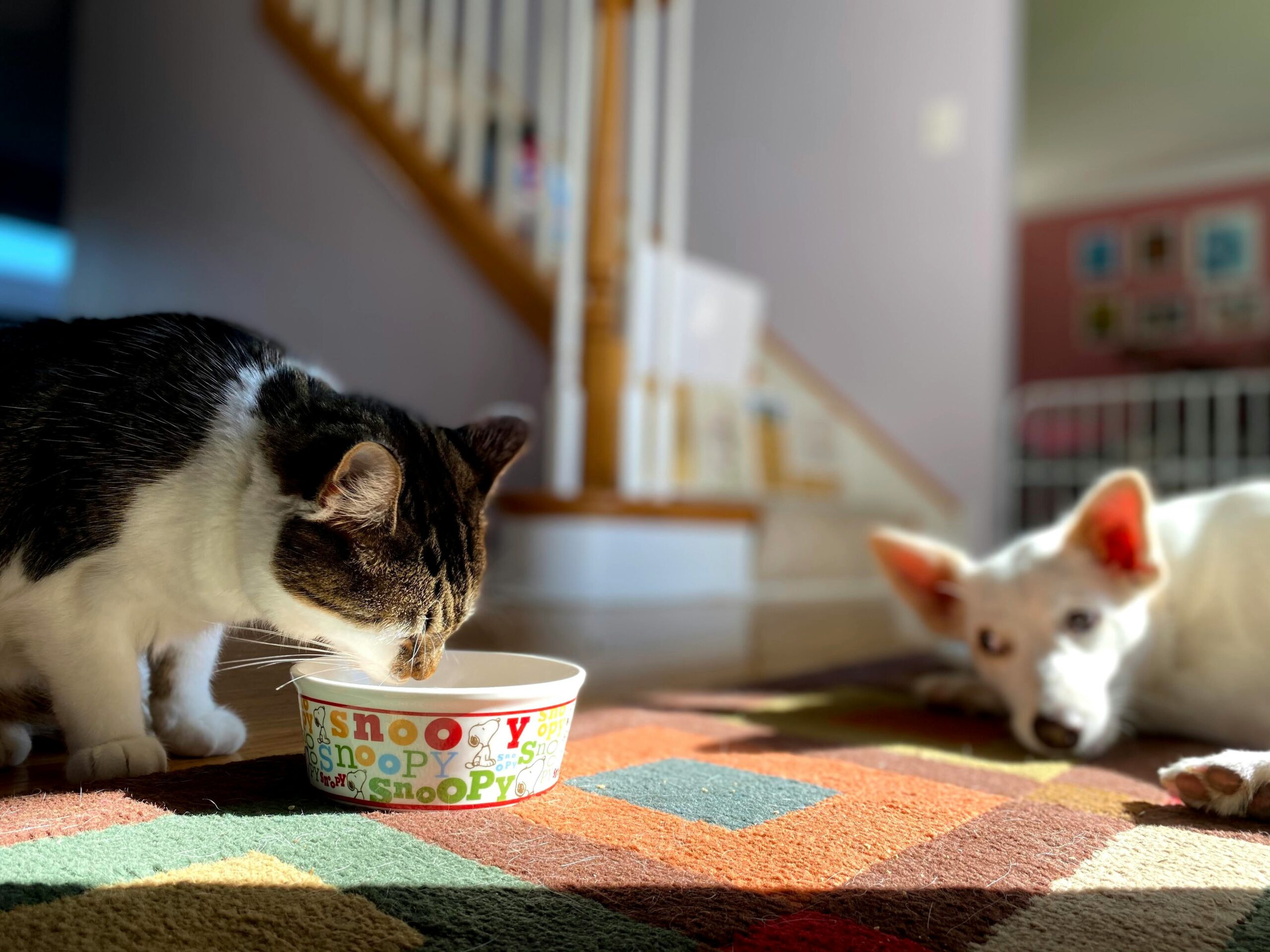
Gradual transitions help prevent upset stomachs.
Switching to a new food requires finesse—or risk dealing with some messy cleanup duty. Start slow:
- Week 1: Mix 75% current food with 25% new food.
- Week 2: Shift to 50/50 proportions.
- Week 3: Go 25% old food, 75% new food.
- Week 4: Fully switch to the new formula.
Pro Tip: Monitor stool consistency closely. If things go south (literally), pause and consult your vet.
Real-World Wins: Success Stories from Pet Parents
Bethany switched her elderly tabby, Luna, to an organic brand six months ago after noticing joint stiffness. Within weeks, she reported improved mobility and shinier fur. Coincidence? Maybe not.
Luna’s progress:
| Before | After |
|---|---|
| Joints stiff; reluctant to jump | Actively leaping onto countertops |
| Dull, patchy coat | Glossy, full-bodied fur |
Frequently Asked Questions About Organic Cat Nutrition
Is organic cat food better for older cats?
While age itself isn’t a factor, the absence of harsh chemicals may support aging systems.
Can kittens eat organic food?
Absolutely! Just ensure it meets kitten-specific nutritional requirements.
Conclusion
Switching to organic cat food with chemical-free formulas might feel overwhelming at first—but trust us, your furry friend deserves it. From avoiding sneaky additives to promoting overall wellness, the benefits outweigh any extra effort or cost. So go ahead, toss out those mystery bags of processed nonsense and treat your cat to something truly chef’s kiss–worthy.
Here’s a little haiku to leave you pondering:
Whiskers twitch with joy,
No toxins here, just love—
Purrfect peace restored.

