Have you ever stared at a wall of cat food options, overwhelmed by ingredients you can’t even pronounce? You’re not alone. As cat parents, we all want the best for our furry companions, but navigating the maze of pet food labels feels like decoding an alien language. Enter Limited Ingredient Diets (LIDs)—a lifeline for cats with allergies or sensitive tummies. But here’s the kicker: organic options take it to the next level. Let’s dive into why.
Table of Contents
- Key Takeaways
- Why Do Cats Need Limited Ingredient Diets?
- How to Choose the Right Organic Cat Food
- Top Tips for Feeding Your Cat LID
- Success Stories: Real Results from Organic LIDs
- FAQs About Limited Ingredient Diets
Key Takeaways
- Limited Ingredient Diets reduce exposure to allergens and irritants in cats.
- Organic options minimize harmful additives, pesticides, and synthetic ingredients.
- Transitioning your cat requires patience and careful planning.
- High-quality protein sources are critical for feline health.
Why Do Cats Need Limited Ingredient Diets?
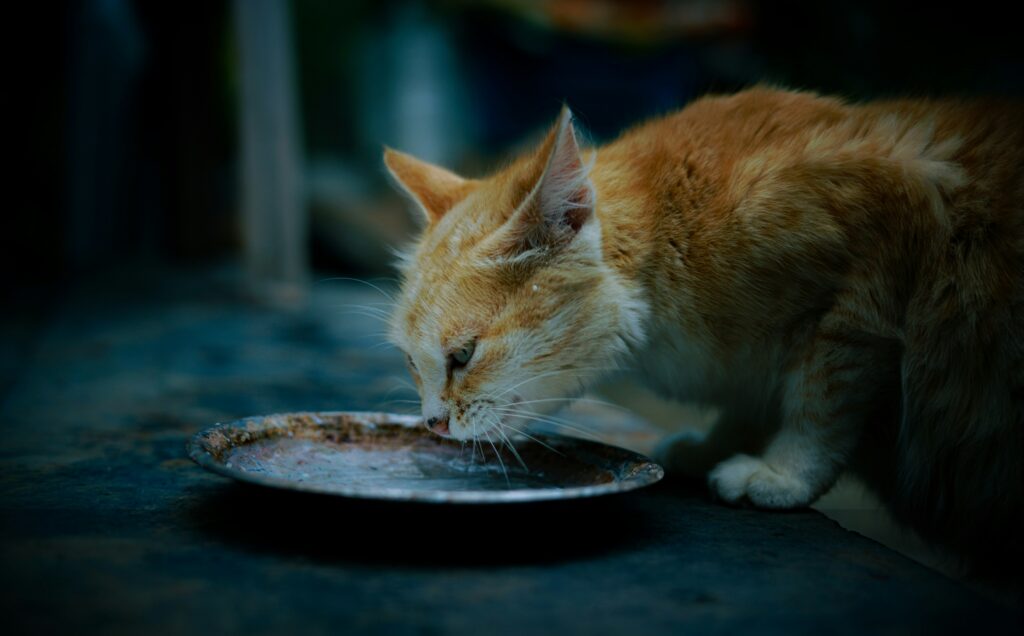
“My cat has always been healthy!”—until they weren’t. That’s what happened when Lily, my orange tabby, started itching uncontrollably and vomiting after meals. Turns out, her kibble was loaded with fillers like corn gluten meal and random flavor enhancers that triggered her allergies. Oof. The vet suggested switching to a limited ingredient diet, which involves fewer components, making it easier to identify potential triggers.
Here’s the ugly truth about conventional cat food:
- Packed with artificial preservatives like BHA/BHT.
- Overprocessed proteins that lack nutrients.
- Additives linked to long-term health issues such as kidney disease.
Enter organic LIDs. These diets strip away unnecessary ingredients while sticking to USDA-certified organic standards. For example, instead of mystery meat, you might see clean labels listing “organic chicken” or “organic pumpkin.” Sounds simple, right? Not so fast. Finding the perfect fit means understanding both your cat’s needs and how these foods work.
How to Choose the Right Organic Cat Food
Optimist You:* “This will be easy!”
Grumpy You: “Ugh, fine—but only if coffee’s involved.”*
Kidding aside, selecting the ideal organic LID isn’t rocket science—but it does require homework. Follow this step-by-step guide:
Step 1: Identify Problem Areas
Does your cat have digestive issues, skin rashes, or chronic ear infections? Note symptoms before choosing a formula targeting specific concerns.
Step 2: Prioritize Single Protein Sources
Look for recipes with one primary protein like duck, turkey, or lamb. This makes it simpler to rule out intolerances later.
Step 3: Check Certification Labels
Ensure the product carries official certifications like USDA Organic or Non-GMO Project Verified. No label = no guarantee!
This process sounds tedious, sure, but trust me—it’s worth avoiding another midnight trip to the emergency vet.
Top Tips for Feeding Your Cat LID
- Gradual Transition: Mix old food with new over 7–10 days to prevent GI upset.
- Monitor Reactions: Track changes in behavior, coat quality, and stool consistency during the transition.
- Stay Hydrated: Many LID formulas are dry kibble. Add water or wet food to encourage hydration.
*Terrible Tip Alert!* Throw caution to the wind and switch overnight. Spoiler alert: It won’t end well.
Success Stories: Real Results from Organic LIDs
Let’s talk real-world proof. Take Charlie, a Persian suffering from severe food sensitivities, whose owner switched him to an organic venison-based LID. Within weeks, his constant scratching stopped, and his once-dull coat became silky smooth again. Another win? Max, a Siamese prone to hairballs, now thrives on an organic salmon formula rich in omega fatty acids.
FAQs About Limited Ingredient Diets
Q: Are organic LIDs more expensive?
Absolutely yes—but think of it as paying for peace of mind (and fewer vet bills).
Q: Will my cat lose weight on a limited diet?
Not necessarily. Ensure calorie intake matches activity levels, especially for indoor cats.
Q: Can I mix wet and dry versions?
Sure thing! Just ensure both adhere to LID principles.
Conclusion
Switching to an organic limited ingredient diet may seem daunting, but remember: Every nibble counts toward better health for your beloved feline. Keep experimenting until you find the golden ticket, stay patient through transitions, and celebrate small victories along the way.
Like a Tamagotchi, your SEO strategy needs daily care. So go ahead, give your cat the gift of simplicity—and watch them flourish!